Objednání genetiky: Co to je, kdy ho potřebujete a jak to funguje
When you order genetic testing, you're not just buying a kit—you're starting a conversation with your own biology. objednání genetiky, proces, kdy si necháte analyzovat DNA pro zjištění rizik nemocí, původu nebo dědičných vlastností. Also known as genetický test, it is a practical tool used by people who want to understand their health risks, plan a family, or simply learn more about their body. This isn't science fiction. It's something thousands of people in the Czech Republic do every year—often after a doctor’s recommendation, a family history of illness, or just personal curiosity.
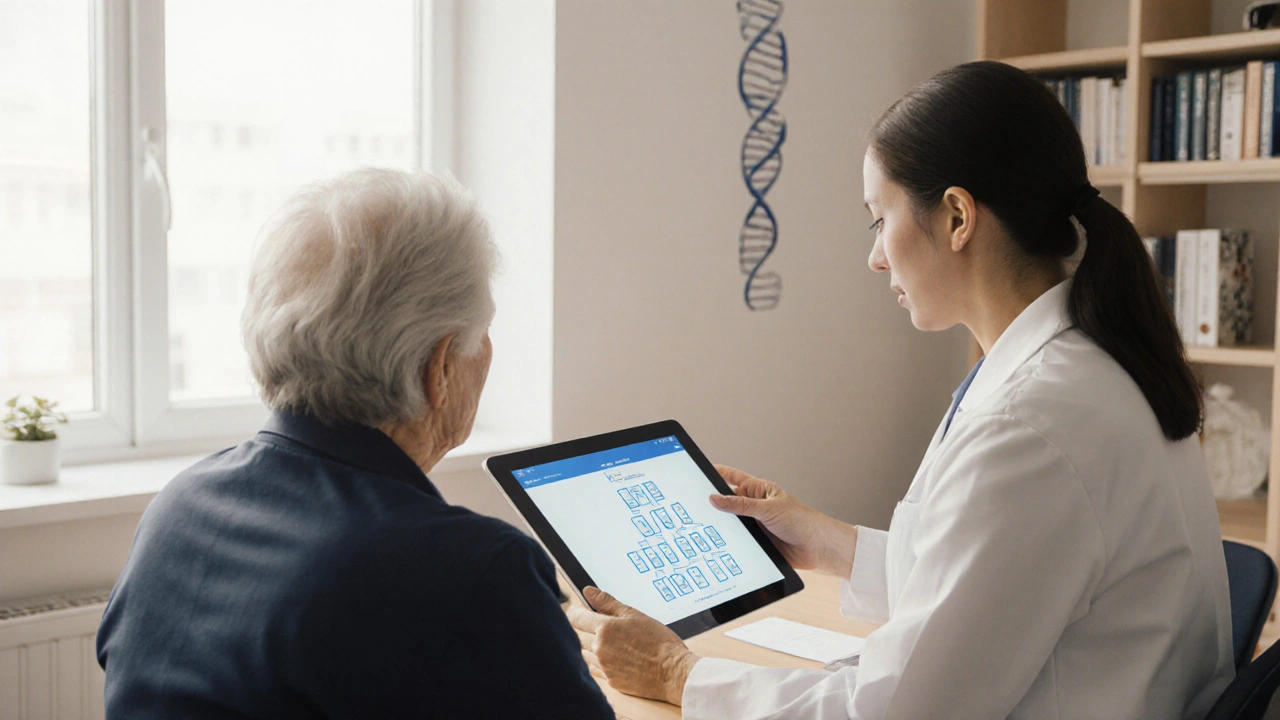
Most people who order genetic testing start with a genetická konzultace, schůzka s odborníkem, který vám vysvětlí, jaký test je pro vás nejvhodnější a co výsledky znamenají. You don’t just pick a test from a website and send in saliva. A good consultation helps you avoid unnecessary tests, understand what’s actually measurable, and prepare for possible results—like a higher risk for breast cancer, Alzheimer’s, or inherited heart conditions. Many don’t realize that not all genetic tests are equal. Some look at single genes, others scan your whole exome. Some are for ancestry, others for drug responses. Knowing the difference matters.
Once you decide to proceed, the process is simple: you get a kit, swab your cheek or give a blood sample, send it off, and wait. But the real value isn’t in the sample—it’s in the interpretation. That’s why we see so many people coming back after receiving results they don’t understand. A DNA test, analýza vaší genetické informace, která může odhalit rizika, příslušnost k etnickým skupinám nebo příznaky dědičných poruch. can show you a 15% higher risk for type 2 diabetes—but without context, that number means nothing. Is that high? Low? Should you change your diet? Your doctor might not know. That’s where a good genetic counselor comes in.
Who needs this? People with a family history of early-onset cancer, unexplained infertility, developmental delays in children, or those planning a pregnancy after age 35. Also people who’ve had unexplained health issues for years and want answers. Even athletes use it to understand muscle recovery or injury risks. And yes—some just want to know if they carry the gene for blue eyes. It’s not magic. It’s information. And like any information, it’s only useful if you know how to use it.
What you’ll find below are real, practical articles written by people who’ve been through this. How long does a test take? What’s the difference between a screening and a full sequence? Can your insurance cover it? How do you talk to your family about results? We’ve collected everything you need to make sense of it—not just the science, but the human side too.